An airplane cannot fly with just a right wing or just a left wing. It needs both.
That simple truth captures why our engagement with Delta Air Lines this year has been so significant. As the largest airline in the United States by several key measures, Delta’s approach to governance and culture often sets the tone for the industry. When Delta demonstrates balance and neutrality, it helps create a healthier model not only for its own shareholders but for the entire sector.
Inspire and our clients are long-term investors in Delta, with over $2 million held just within PTL, Inspire’s largest ETF, along with additional exposure across other Inspire strategies. We approach engagement as owners with a long-term perspective, seeking to strengthen corporate governance, reduce emerging risks, and support durable value creation.
Like many large corporations, Delta spent much of the past several years leaning heavily toward what could be described as its “left wing,” particularly in public messaging and cultural positioning. At times, including content such as The Steepest Climb (2023) documentary, stakeholders perceived the company as moving beyond its core mission into areas that felt politically one-sided.
For a consumer-facing company serving millions of passengers from across the political and cultural spectrum, that dynamic created what we perceive to be reputational and governance risks. Constructive engagement begins with acknowledging those risks and working collaboratively toward solutions.
“We have learned from our past.”
Encouragingly, our conversations this year reflected what Delta described as its long-held recognition that the strongest companies focus on not making anyone feel excluded. That requires balance. To truly reflect the diversity of its customers and workforce, Delta must be able to fly with both a right and a left wing.
Earlier this year, Inspire filed a shareholder proposal requesting that Delta evaluate the risks that can arise when corporate policies and public positioning become misaligned with a diverse customer base. The objective was not to dictate specific outcomes, but to encourage a thoughtful review of how governance, workforce policies, and public engagement intersect with long-term enterprise value.
During constructive dialogue with Delta’s leadership, the company shared a series of meaningful ongoing commitments already in place that address many of the concerns raised. In light of this insight, Inspire withdrew the proposal prior to the annual meeting.
This is exactly how shareholder engagement is intended to work. Investors identify risks, companies respond, and understanding is achieved through dialogue rather than confrontation.
Delta’s engagement resulted in several concrete confirmations that meaningfully address the issues raised.
Company representatives emphasized that hiring and promotions will remain merit-based and that they have never been subject to quotas:
“Delta has always been a meritocracy… We don’t believe in affirmative action.”
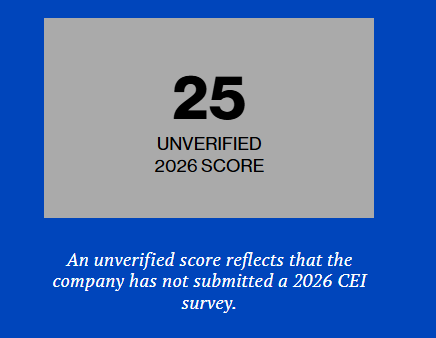
Delta confirmed it has not participated in the Human Rights Campaign’s Corporate Equality Index for at least five years, signaling a move away from external political benchmarking frameworks. Based on publicly available information, the company is now listed with an “Unverified” score of 25 out of 100.
Delta emphasized an approach to sustainability centered on fuel efficiency and operational improvements rather than initiatives that could constrain growth. The company reaffirmed that environmental efforts should align with operational performance and customer value.
Company representatives explained the rationale succinctly:
“Our customers want us to be more sustainable, but they don’t want to pay more for tickets. So the smart approach is to be thrifty.”
Delta acknowledged the importance of ensuring that employees of faith feel equally included in workplace community life and shared that it actively supports the ability for employees to form business resource groups (BRGs) based on employee interest, including employees of faith.
“We need to make it really clear to our employees they can have a Christian BRG… this would show the world that Delta really does welcome all.”
Delta emphasized its ongoing commitment to political neutrality in its external engagements and community activities. The company indicated that while it may continue to participate in events such as Pride celebrations that are meaningful to many employees, it also recognizes the importance of ensuring balance across its broader engagement efforts. The company illustrated how it supports faith-based events and organizations and is committed to ongoing transparency of these engagements.
As company representatives noted:
“We try so hard to not be right or left… We want every customer to feel welcome.”
Delta indicated that its charitable and donation-matching programs will remain inclusive of religious organizations, helping ensure employees can support causes aligned with their beliefs.
Because Delta is a market leader and one of the most respected names in the industry, its approach carries influence well beyond a single company. When Delta reinforces neutrality and focuses on business fundamentals, it helps establish expectations for peers, such as:
- United Airlines
- American Airlines
- Southwest Airlines
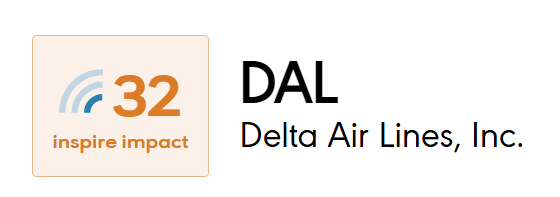
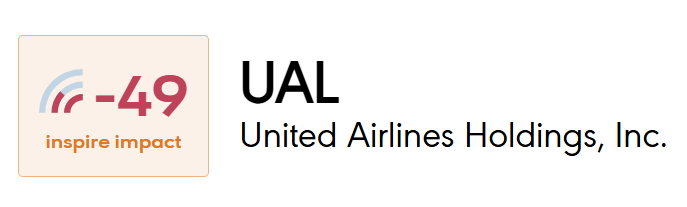
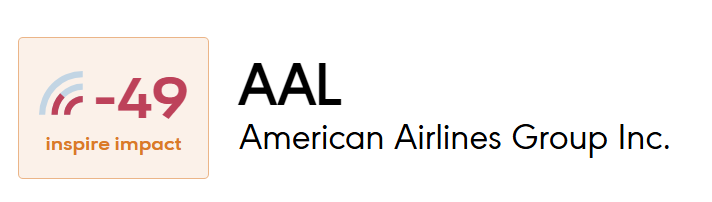
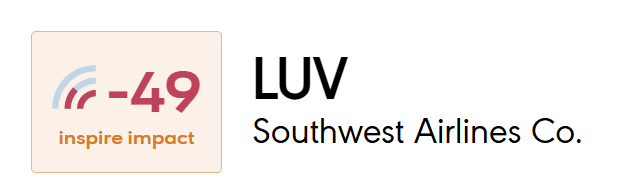
This ripple effect is one of the reasons we prioritize engagement with industry leaders. Understanding a company like Delta can help shape governance norms across the airline sector.
We want to recognize Delta for the way it engaged throughout this process. The dialogue was thoughtful, candid, and solution-oriented. The company demonstrated a willingness to listen and to evaluate risk.
Simply put, Delta has been one of our strongest engagement partners this year, and we are grateful for the constructive tone.
In addition to Delta, we also want to thank the partners who collaborated on this effort: Bowyer Research, Alliance Defending Freedom, and 1792 Exchange.
Constructive engagement works best when companies and investors approach these conversations with mutual respect and a shared commitment to long-term success. This engagement is a strong example of that model in action, and we look forward to continuing the dialogue with Delta and other companies across the airline sector in the years ahead.

Tim Schwarzenberger, CFA is a Portfolio Manager and Director of Corporate Engagement for Inspire Investing. He previously served as Managing Director at Christian Brothers Investment Services (CBIS), where he was an integral member of the Investment Team responsible for implementing the firm’s strategy development, portfolio construction, and Catholic investing initiatives.


An airplane cannot fly with just a right wing or just a left wing. It needs both.
That simple truth captures why our engagement with Delta Air Lines this year has been so significant. As the largest airline in the United States by several key measures, Delta’s approach to governance and culture often sets the tone for the industry. When Delta demonstrates balance and neutrality, it helps create a healthier model not only for its own shareholders but for the entire sector.
Inspire and our clients are long-term investors in Delta, with over $2 million held just within PTL, Inspire’s largest ETF, along with additional exposure across other Inspire strategies. We approach engagement as owners with a long-term perspective, seeking to strengthen corporate governance, reduce emerging risks, and support durable value creation.
Like many large corporations, Delta spent much of the past several years leaning heavily toward what could be described as its “left wing,” particularly in public messaging and cultural positioning. At times, including content such as The Steepest Climb (2023) documentary, stakeholders perceived the company as moving beyond its core mission into areas that felt politically one-sided.
For a consumer-facing company serving millions of passengers from across the political and cultural spectrum, that dynamic created what we perceive to be reputational and governance risks. Constructive engagement begins with acknowledging those risks and working collaboratively toward solutions.
“We have learned from our past.”
Encouragingly, our conversations this year reflected what Delta described as its long-held recognition that the strongest companies focus on not making anyone feel excluded. That requires balance. To truly reflect the diversity of its customers and workforce, Delta must be able to fly with both a right and a left wing.
Earlier this year, Inspire filed a shareholder proposal requesting that Delta evaluate the risks that can arise when corporate policies and public positioning become misaligned with a diverse customer base. The objective was not to dictate specific outcomes, but to encourage a thoughtful review of how governance, workforce policies, and public engagement intersect with long-term enterprise value.
During constructive dialogue with Delta’s leadership, the company shared a series of meaningful ongoing commitments already in place that address many of the concerns raised. In light of this insight, Inspire withdrew the proposal prior to the annual meeting.
This is exactly how shareholder engagement is intended to work. Investors identify risks, companies respond, and understanding is achieved through dialogue rather than confrontation.
Delta’s engagement resulted in several concrete confirmations that meaningfully address the issues raised.
Company representatives emphasized that hiring and promotions will remain merit-based and that they have never been subject to quotas:
“Delta has always been a meritocracy… We don’t believe in affirmative action.”
Delta confirmed it has not participated in the Human Rights Campaign’s Corporate Equality Index for at least five years, signaling a move away from external political benchmarking frameworks. Based on publicly available information, the company is now listed with an “Unverified” score of 25 out of 100.
Delta emphasized an approach to sustainability centered on fuel efficiency and operational improvements rather than initiatives that could constrain growth. The company reaffirmed that environmental efforts should align with operational performance and customer value.
Company representatives explained the rationale succinctly:
“Our customers want us to be more sustainable, but they don’t want to pay more for tickets. So the smart approach is to be thrifty.”
Delta acknowledged the importance of ensuring that employees of faith feel equally included in workplace community life and shared that it actively supports the ability for employees to form business resource groups (BRGs) based on employee interest, including employees of faith.
“We need to make it really clear to our employees they can have a Christian BRG… this would show the world that Delta really does welcome all.”
Delta emphasized its ongoing commitment to political neutrality in its external engagements and community activities. The company indicated that while it may continue to participate in events such as Pride celebrations that are meaningful to many employees, it also recognizes the importance of ensuring balance across its broader engagement efforts. The company illustrated how it supports faith-based events and organizations and is committed to ongoing transparency of these engagements.
As company representatives noted:
“We try so hard to not be right or left… We want every customer to feel welcome.”
Delta indicated that its charitable and donation-matching programs will remain inclusive of religious organizations, helping ensure employees can support causes aligned with their beliefs.
Because Delta is a market leader and one of the most respected names in the industry, its approach carries influence well beyond a single company. When Delta reinforces neutrality and focuses on business fundamentals, it helps establish expectations for peers, such as:
- United Airlines
- American Airlines
- Southwest Airlines
This ripple effect is one of the reasons we prioritize engagement with industry leaders. Understanding a company like Delta can help shape governance norms across the airline sector.
We want to recognize Delta for the way it engaged throughout this process. The dialogue was thoughtful, candid, and solution-oriented. The company demonstrated a willingness to listen and to evaluate risk.
Simply put, Delta has been one of our strongest engagement partners this year, and we are grateful for the constructive tone.
In addition to Delta, we also want to thank the partners who collaborated on this effort: Bowyer Research, Alliance Defending Freedom, and 1792 Exchange.
Constructive engagement works best when companies and investors approach these conversations with mutual respect and a shared commitment to long-term success. This engagement is a strong example of that model in action, and we look forward to continuing the dialogue with Delta and other companies across the airline sector in the years ahead.



.jpg)